
A cheque is a monetary file that orders a bank to pay a unique quantity of cash from a https://elqnah-news.com/582084/non-profit-accounting-services-in-new-york-city/ person’s account to another individual’s or company’s account in whose identify the cheque has been made or issued. A budget can be considered balanced after a full year of revenues and expenses have been incurred and recorded. Proponents of a balanced budget argue that budget deficits burden future generations with debt.

How should cash dividends be reported on the statement of shareholders’ equity?
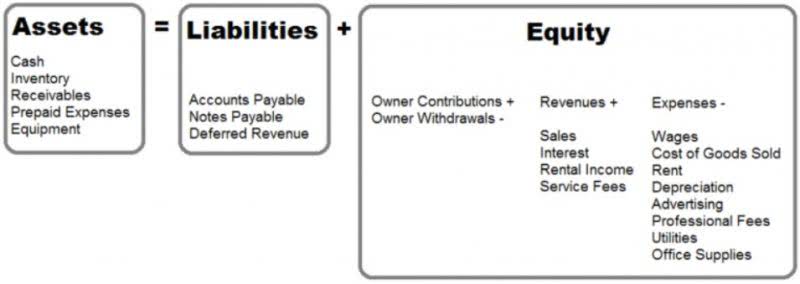
Over time, retained earnings can become a significant portion of equity, particularly if the firm is profitable and doesn’t pay high dividends. Common stock represents the ownership of a company and can be in various classes, such as A and B. These stockholders typically possess voting rights for the company’s decisions, such as electing a board of directors and voting on policies. Common stockholders can earn more than preferred stockholders, but are also the lowest priority claim on a company’s assets if there is a default. In the event of a company liquidating its assets, common stockholders will get paid after preferred stockholders, and usually, there is very little value left in the company at this stage.

Income / Loss for the period
In essence, watching the trend in shareholders equity, return on equity ratio, and cost of equity gives an initial understanding of a company’s financial position and efficiency. It’s crucial to dig deeper and combine these insights with additional financial statement analysis for a more comprehensive picture. This document gives investors more transparency about the changes in equity accounts and reports on the business activities that contribute to the movement in the value of shareholders’ equity. Accurate accounting for ownership changes involves updating the common stock, additional paid-in capital, and treasury stock accounts. This ensures that the stockholders’ equity section reflects the true economic impact of these transactions. By maintaining precise records, companies can provide reliable information to investors and other stakeholders, fostering trust and informed decision-making.

How Does Share Issuance Affect the Statement of Changes in Equity?
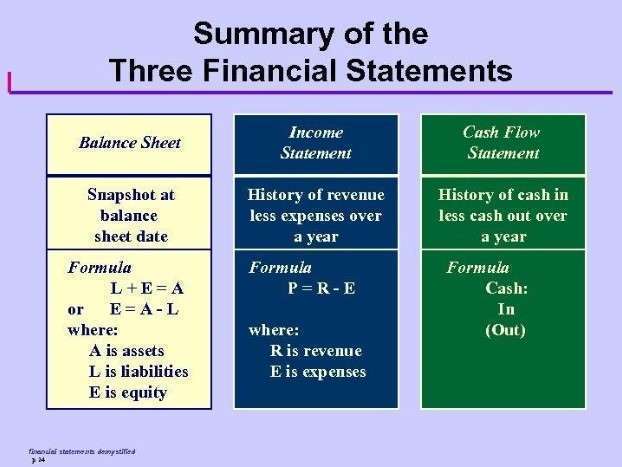
For shareholders, the equity statement provides insights into the company’s profitability, dividend payment practices, and overall financial stability. Looking at only one statement might give an incomplete image as changes in one can affect the other. For example, high profits (income statement) result in higher retained earnings, leading to an increase in shareholder’s equity (balance sheet). Investors can see the shareholders’ equity at the beginning of each period and the movements of capital through the 12-month period, showing common stock, share-based compensation, retained earnings and other comprehensive income. The statement of shareholders’ equity reports the changes in the value of shareholders’ equity or ownership interest in a company from the beginning of an accounting period to the end of it. Retained earnings are the cumulative profits that a company has reinvested in its operations rather than distributing as dividends.
What is the Statement of Changes in Stockholders’ Equity in Accounting?
- All these transactions reflect on equity and play a crucial role in reshaping it over time.
- Case studies and examples in the context of Stockholders’ Equity Statements provide invaluable insights into how different companies manage ownership changes and capital structure adjustments.
- It helps stakeholders evaluate the company’s financial health, capital structure, and the extent to which it relies on external funding.
- Cash dividends decrease both retained earnings and cash, while stock dividends increase the number of shares and adjust the equity accounts accordingly.
- Retained earnings represent the accumulated profits of the company that have not been distributed to shareholders in the form of dividends.
The effects of issue and redemption of shares must be presented separately for share capital reserve and share premium reserve. Many smaller companies explain the ownership change as a footnote to their financial reports instead of publishing a Statement of Changes in Equity. However, most large, publicly traded companies prepare a Statement of Changes in Equity as it provides transparency for the investors or audience to gain insights into its ownership structure. The statement of retained earnings is a financial statement that specifically focuses on the changes in retained earnings over a specific period. Partnerships and sole proprietorships extend a related approach to formatting their statements of change in equity.
Loss/ Gain for the period
As you can see, statement of stockholders equity net income is needed to calculate the ending equity balance for the year. This is why the statement of changes in equity must be prepared after the income statement. Any other gains and losses not recognized in the income statement may be presented in the statement of changes in equity such as actuarial gains and losses arising from the application of IAS 19 Employee Benefit. Issue of further share capital during the period must be added in the statement of changes in equity whereas redemption of shares must be deducted therefrom.
- The system’s dashboard allows issuing these reports with flexibility, in an accurate and simple presentation method, where you can issue them in summary or detailed form for each report item separately.
- Conversely, share repurchases can consolidate ownership but require the company to use its resources, potentially affecting liquidity.
- It represents the initial capital that a company uses to start or expand its operations.
- These disclosures help investors and stakeholders understand the financial health and strategic decisions of the company.
- Capital structure considerations are crucial in understanding stockholders’ equity statements.
Sad Accountant Expert Team
- Notes to financial statements provide additional details and context about the financial information presented.
- Such changes could suggest potential financial distress, and may, in some scenarios, even hint at bankruptcy risks.
- They include explanations of accounting policies, breakdowns of accounts, and information about significant events.
- Shareholders’ equity plays an intricate role in a company’s corporate social responsibility (CSR) and sustainability initiatives.
- The Statement of Changes in Equity lists those changes, as Balance Sheet would only show an ending balance of those accounts.
Second all dividends and net losses are subtracted from the equity balance giving you the ending equity balance for the accounting period. Moreover, even the transactions like dividends paid or owner’s withdrawals, that are not shown on the income statement or balance sheet are visible in the statement of change in equity. An increase in shareholders equity typically signals a positive financial condition. It unearned revenue may indicate that the company is generating profits, either through operational activities or through successful investments.
What are notes to financial statements?
- Shareholders’ equity represents the ownership interest of shareholders in a company.
- A partnership is a legal form of business that is owned by two or more individuals called partners.
- However, the statement of changes in equity for a corporation uses a marginally altered format.
- If an organization’s return on equity is below its cost of equity, this indicates that it’s not rewarding its shareholders adequately for the risk they bear to invest their funds in the company.
- Statement of stockholder’s equity, often called the statement of changes in equity, is one of four general purpose financial statements and is the second financial statement prepared in the accounting cycle.
- Accurate accounting for ownership changes involves updating the common stock, additional paid-in capital, and treasury stock accounts.
Future trends may include increased focus on transparency and sustainability, evolving accounting standards, and the impact of technological advancements on financial reporting. Different capital structures affect a company’s risk profile, cost of capital, and financial flexibility. For example, a company with high debt may face higher interest expenses and financial risk, while a company with more equity may have a lower risk but potentially diluted earnings.

Leave A Comment
You must be logged in to post a comment.